Caught Off Guard: How Accessibility Law Is Exposing Vancouver Property Managers to Lawsuits They Never Saw Coming
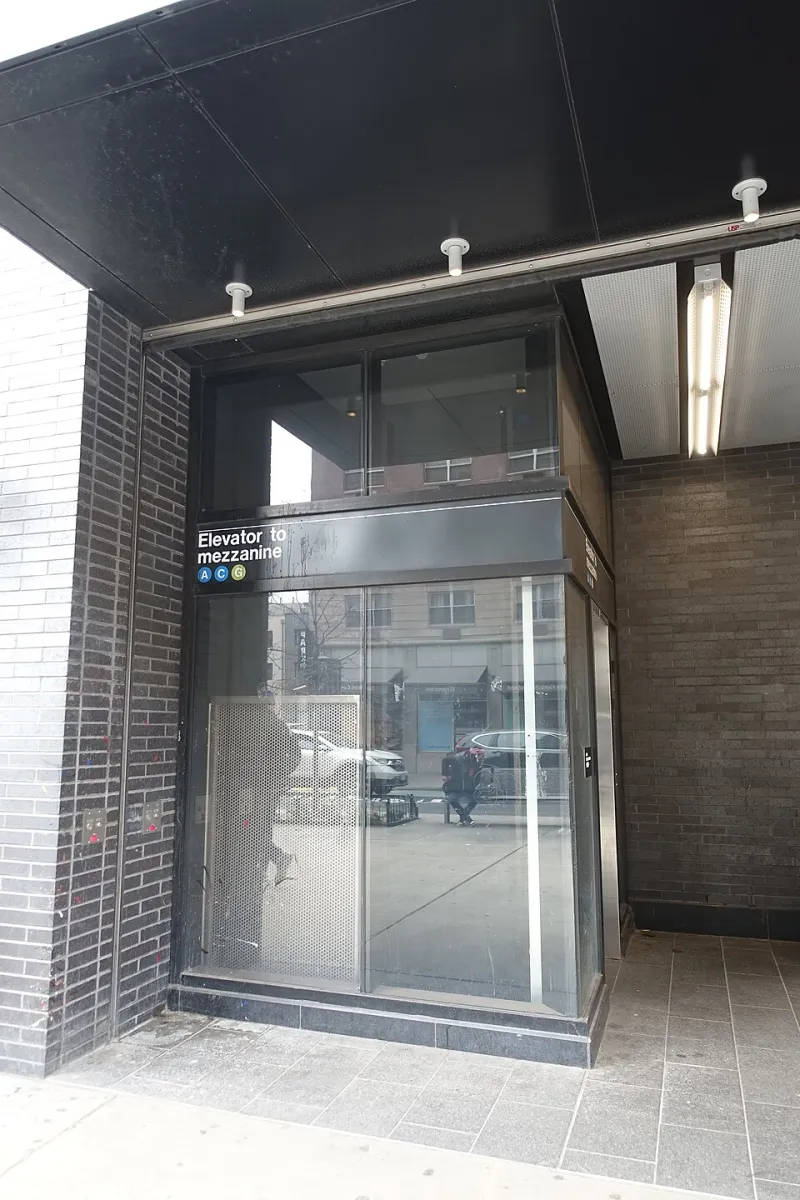
Photo: Tdorante10, CC BY-SA 4.0, via Wikimedia Commons
For many Vancouver property managers, accessibility compliance has long been treated as a concern for hospitals, government buildings, and large commercial towers. The assumption has been that smaller residential properties—strata complexes, rental buildings, mixed-use developments—occupy a different legal universe. That assumption is increasingly dangerous.
BC's Accessible British Columbia Act, which received royal assent in 2021 and continues to expand in scope, is reshaping the obligations of property owners and managers across the province. Alongside the BC Human Rights Code, which has long prohibited discrimination on the basis of physical or mental disability, these frameworks collectively create a web of legal exposure that many landlords and strata managers are only now beginning to understand—often because they are already facing a complaint or a civil claim.
What the Law Actually Requires
The Accessible British Columbia Act mandates that designated organizations develop and implement accessibility plans, establish feedback mechanisms for reporting barriers, and meet established standards as they are progressively introduced. While the earliest compliance requirements targeted larger public-sector bodies, the framework is designed to extend its reach. Private-sector organizations, including property management companies operating above certain thresholds, are being drawn into the compliance net.
Beyond this legislation, the BC Human Rights Code has always imposed a duty to accommodate individuals with disabilities to the point of undue hardship. In the context of rental housing, this means that a landlord who refuses to permit a tenant to install a grab bar in a bathroom, or who fails to address a broken elevator in a building that houses mobility-impaired residents, may be engaging in discriminatory conduct—regardless of whether the refusal was intentional.
These two legal streams—human rights obligations and the newer accessibility legislation—often run parallel, creating compounding risk for property managers who are not actively monitoring both.
The Violations Nobody Is Looking For
Some of the most common accessibility failures in Vancouver rental and strata properties are entirely invisible to management until a complaint surfaces. These include:
- Inaccessible common areas: Lobbies, mailroom corridors, laundry facilities, and amenity spaces that lack adequate turning radius for wheelchairs, or that feature door hardware incompatible with limited hand mobility.
- Inadequate signage: Buildings without Braille or tactile signage in elevators, stairwells, or emergency exits may fall short of established standards.
- Unreasonable accommodation refusals: Property managers who deny requests for minor modifications—such as lever-style door handles or visual fire alarms—without engaging in a proper accommodation analysis may expose the property owner to a human rights complaint.
- Digital barriers: As more leasing activity, rent payment, and maintenance requests move online, inaccessible tenant portals and websites are becoming a growing area of complaint.
- Emergency preparedness gaps: Evacuation plans that fail to account for residents with mobility or sensory impairments can trigger both regulatory scrutiny and civil liability following an incident.
None of these issues require bad intentions to generate legal consequences. In BC's human rights framework, the focus is on the effect of the conduct, not the motivation behind it.
Real Consequences: What Litigation Looks Like
Complaints filed with the BC Human Rights Tribunal can result in orders requiring a respondent to cease discriminatory conduct, implement accommodation measures, and pay compensation to the complainant for injury to dignity, feelings, and self-respect. These awards, while variable, can reach into the tens of thousands of dollars in cases involving prolonged or egregious non-accommodation.
Beyond Tribunal proceedings, property managers and owners may face civil claims where a failure to maintain accessible premises results in physical harm to a tenant or visitor. A mobility-impaired resident who sustains an injury on a poorly maintained ramp, or who cannot safely evacuate during an emergency due to inadequate planning, may have grounds for a negligence action. In such cases, the financial exposure can be substantially higher.
Reputational damage compounds the financial risk. In Vancouver's competitive rental market, where tenants increasingly scrutinize landlord conduct before signing leases, a publicised human rights complaint or lawsuit can affect occupancy rates and the long-term value of a property.
Strata Corporations Are Not Exempt
One of the more consequential misconceptions in Vancouver's property management community is that strata corporations—as membership-based entities rather than traditional landlords—are insulated from accessibility obligations. They are not.
Strata corporations have a duty to accommodate owners and residents with disabilities under the BC Human Rights Code. This may require the strata to approve alterations to common property that facilitate accessibility, even where strata bylaws would ordinarily prohibit such modifications. Refusing a resident's request to install a ramp at a unit entrance, for example, may constitute discrimination unless the strata can demonstrate that accommodation would cause undue hardship—a high legal threshold that requires documented analysis of cost, safety, and operational impact.
Strata councils that rely solely on their bylaws, without reference to human rights obligations, are operating with a significant blind spot.
Why Proactive Legal Guidance Matters
The challenge for Vancouver property managers is that accessibility law is not static. The Accessible British Columbia Act is designed to introduce progressively higher standards over time, and the regulatory landscape will look materially different in five years than it does today. Waiting for a complaint to arrive before seeking legal counsel is a reactive strategy that tends to be both more expensive and less effective than addressing compliance proactively.
A lawyer practising in real estate and tenancy law can help property owners and managers conduct an accessibility audit framework, review accommodation request procedures, assess bylaw provisions for potential human rights conflicts, and develop documentation practices that demonstrate good-faith compliance efforts. These steps do not guarantee immunity from complaints, but they substantially reduce legal exposure and provide a defensible record if a dispute arises.
For strata corporations, legal counsel can also assist with drafting accommodation policies that reflect current law and provide strata councils with a principled process for evaluating requests—rather than relying on instinct or precedent that may no longer be legally sound.
The Cost of Doing Nothing
Vancouver's property market remains one of the most active in Canada, and the volume of rental and strata activity means that accessibility issues will continue to generate disputes. The question for property managers is not whether they will eventually encounter an accommodation request or accessibility complaint—it is whether they will be prepared when they do.
Ignoring the legal landscape is not a neutral choice. In BC, the duty to accommodate is an ongoing legal obligation, and the consequences of falling short extend well beyond a single complaint. Building a compliance foundation now—with proper legal guidance—is the kind of risk management that protects both the property and the people who depend on it.
If you are a Vancouver landlord, strata manager, or property management professional seeking guidance on accessibility compliance and tenancy law obligations, Attorneys in Vancouver can connect you with experienced legal counsel in your area.